

Uncategorized
Museum of Pop Culture: A Journey Through Entertainment
Mar
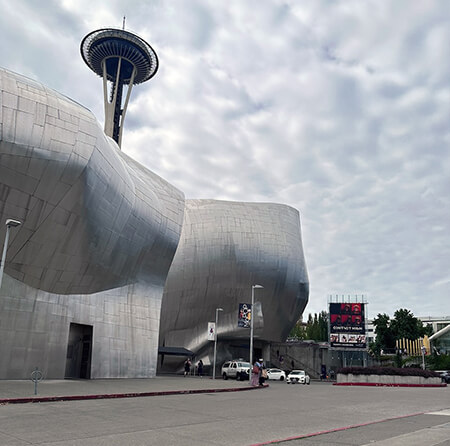
The Museum of Pop Culture (MoPOP) in Seattle is a vibrant and dynamic tribute to the world of entertainment and pop culture. Nestled in the heart of downtown Seattle, just a stone’s throw from the iconic Space Needle, MoPOP promises an immersive experience that captivates enthusiasts of all ages. My curiosity about the evolution of pop culture — and an escape from the sweltering Texas heatwave of 2023 — led me to this fascinating destination on my first trip to the West Coast.
I’ll admit, I’d never heard of MoPOP until I started searching for things to do in Seattle. It sounded like an interesting place to visit. We were there primarily to see friends, but we still made time to explore the city before reserving our last day for a hike up Mount Rainier. MoPOP made the short list quickly — and it didn’t disappoint.
Arrival and First Impressions
The first thing I noticed was the building itself. The museum’s exterior is an iconic, futuristic design by architect Frank Gehry, with sweeping curves and colorful, irregular shapes that resemble a mix of shiny metal, glass, and various materials. It’s eye-catching and hard to miss — almost like a sculpture come to life. With the Space Needle clearly visible a short walk away, MoPOP wasn’t difficult to find.
The entry fee felt a little steep at first, but once we were inside, that hesitation disappeared quickly. We were immediately drawn into a series of immersive, well-designed multimedia exhibits — from displays about music legends like Jimi Hendrix and Nirvana to pop culture icons, sci-fi, and fantasy collections. It’s a pretty striking introduction to the world of pop culture. You could easily spend four hours and still wonder what you might have missed.
Where Music History Lives
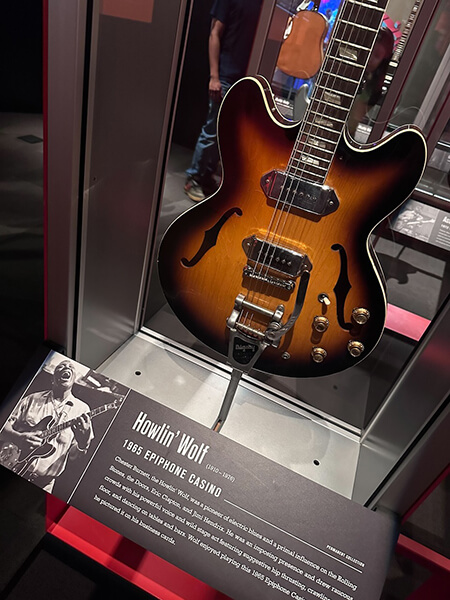
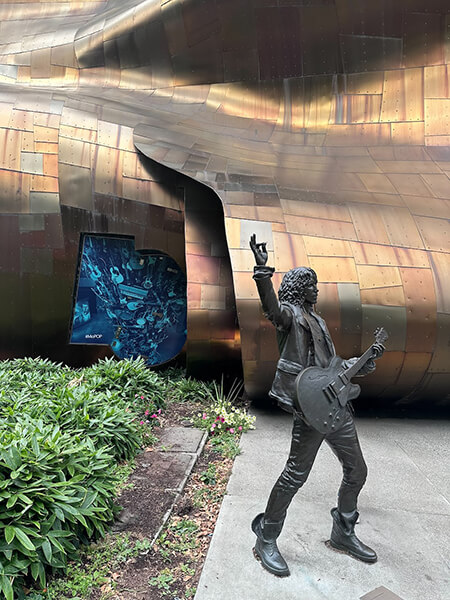
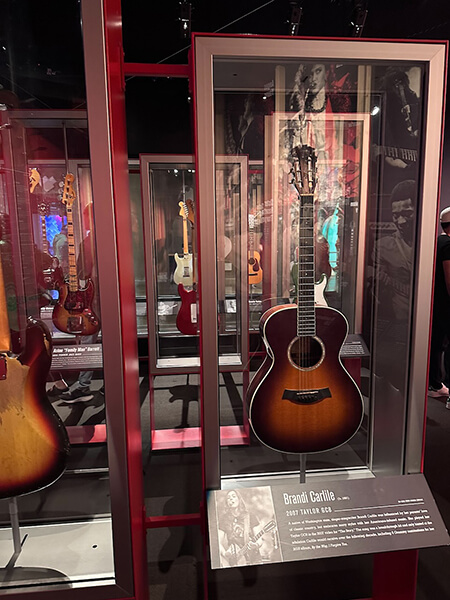
If you have any appreciation for rock and roll, the music exhibits alone are worth the price of admission. Seattle has a rich musical legacy, and MoPOP doesn’t let you forget it. The Jimi Hendrix Gallery is one of the most personal and carefully curated spaces in the building — original guitars, handwritten lyrics, performance footage, and personal artifacts that make it feel less like a museum exhibit and more like a visit with the man himself. Hendrix was born in Seattle, and there’s something quietly moving about seeing his story told with this much care in his hometown.
The Nirvana display carries a similar weight. For anyone who grew up in the 1990s, walking through that exhibit is a genuinely emotional experience. Stage-worn clothing, instruments, notebooks, photographs — the kind of objects that remind you how much a few people from the Pacific Northwest changed the sound of an entire generation. Whether you were a fan then or are discovering them now, the exhibit puts the magnitude of their influence into sharp focus.
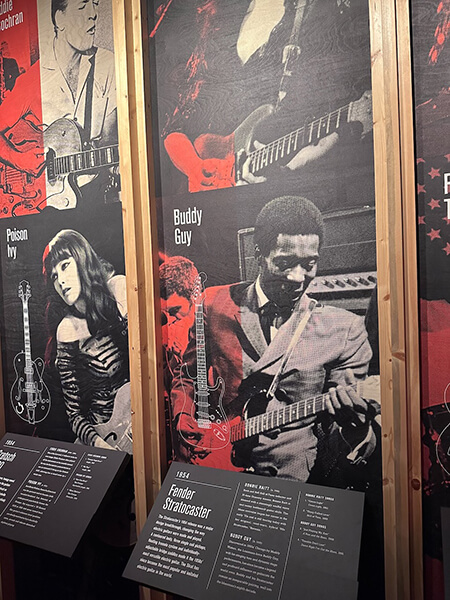
Beyond those two anchors, the broader music history collection moves through decades of American popular music with real intelligence — not just a parade of memorabilia, but a thoughtful look at how sound, style, and culture have always shaped each other.
Science Fiction, Fantasy, and a Few Surprises
Music is the heart of MoPOP, but the building has a lot more to offer. The science fiction and fantasy collections were a genuine surprise — expansive, beautifully designed, and packed with the kind of detail that rewards a slow walk-through. Costumes, props, concept art, and original models from some of the most beloved films and television series in history are on display here, and the curation is sharp. This isn’t a warehouse of memorabilia. It’s a well-considered argument for why these stories matter.
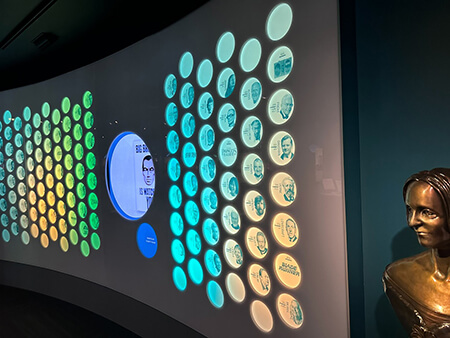
I’m not someone who would describe himself as a hardcore sci-fi fan, but I found myself lingering in these galleries longer than expected. There’s something about seeing the actual props and costumes from films you grew up watching that collapses the distance between the screen and your memory of first seeing it. It hits differently in person.
Get Your Hands On It
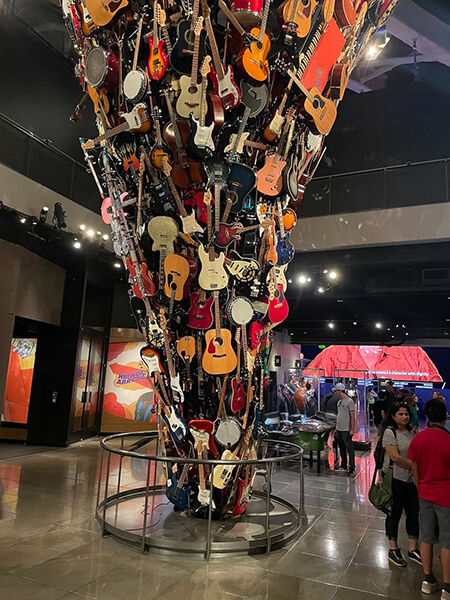
One of the things that sets MoPOP apart from a traditional museum is how much you’re encouraged to actually participate. There are interactive areas where visitors can pick up instruments and play — guitars, drums, keyboards — with instruction screens and sound dampening that make it feel approachable even if you’ve never played a note in your life. For families with kids, this is a highlight. For the rest of us, it’s an invitation to feel like a musician for ten minutes, which turns out to be more fun than it sounds.
The Sky Church — a massive interior space beneath a soaring ceiling lined with one of the largest indoor LED screens in the world — anchors the building with a visual and sonic experience that’s hard to describe. It functions as a performance space, a gathering point, and something of a sensory statement about the power of music. Standing in it, even when nothing is scheduled, you feel the scale of what this place is trying to say.
Practical Notes for Your Visit
MoPOP is located at 325 5th Avenue N in Seattle Center, directly adjacent to the Space Needle. If you’re already visiting the needle, the museum is an easy add to the same day. Parking in the area can be tight, so public transit or rideshare is worth considering.
Plan for at least three to four hours, more if you’re a serious music fan or want to linger in the galleries. The gift shop is well-stocked and genuinely interesting — not just the usual tourist merchandise, but books, prints, and music-related items that reflect the quality of the collection itself.
Entry fees vary by age and membership status. Check the MoPOP website before you go for current pricing and any ticketed exhibits that require advance booking. Some rotating exhibitions sell out, and it’s worth knowing what’s on before you arrive.
Why It’s Worth Your Time
I came to MoPOP not entirely sure what to expect. I left with a much clearer sense of how deeply pop culture — music, film, science fiction, fantasy — is woven into the fabric of who we are as a country. That’s not a small thing for a museum to accomplish, and MoPOP does it without being heavy-handed about it. The exhibits are entertaining and accessible, but they also have something to say.
If you’re planning a trip to Seattle, do yourself a favor and put this one on the list. Between the Gehry building, the music history, the interactive spaces, and the sheer variety of what’s on display, it earns its place as one of the most interesting museums in the Pacific Northwest — and honestly, in the country. It’s the kind of place that reminds you why culture is worth paying attention to.
